
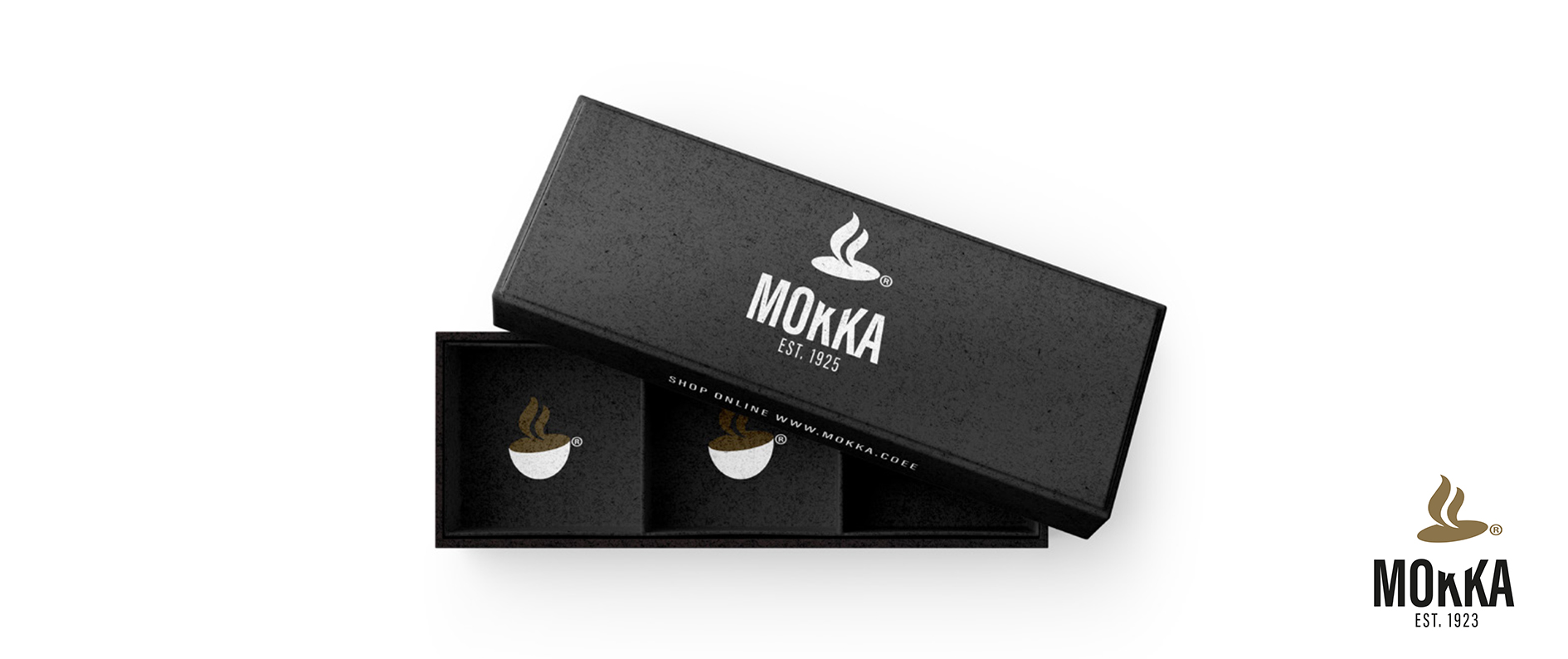
Corporate Identity Design
Corporate Identity That Gives a Brand a Distinctive Presence
A strong corporate identity is the visual language through which a company becomes recognizable, consistent and distinctive across every point of contact.
It is much more than a logo. Corporate identity design brings together the logo, colour palette, typography, graphic elements, imagery, layouts and applications to create a unified visual identity that expresses the character, values and positioning of a company.
We design corporate identities that combine strategic thinking, creative direction and visual consistency, giving established companies and brands a distinctive presence that can work across both physical and digital environments.
What Is Corporate Identity?
Corporate identity is the complete visual system a company uses to present itself to the world.
The logo is one of its most recognizable elements, but a successful corporate identity extends far beyond it. Typography, colours, imagery, graphic devices, layouts and communication materials all contribute to the way a company is perceived.
A complete corporate visual identity can include:
Logo design and logo variations
Corporate colour palette
Corporate typography
Graphic elements and visual assets
Iconography and illustration style
Photography direction
Business cards and stationery
Corporate presentations and reports
Social media templates
Website visual language
Digital advertising assets
Packaging applications
Signage and environmental graphics
Brand guidelines
The objective is not to create a collection of attractive individual elements. It is to build a coherent visual identity system that can be applied consistently across every communication channel.
Why a Consistent Corporate Image Matters
Companies communicate through an increasing number of touchpoints. A potential client may discover a business through its website, see an advertisement on social media, receive a presentation, visit a physical location or encounter its products in the marketplace.
Every one of these interactions contributes to the overall brand experience.
A consistent corporate identity creates recognition and reinforces credibility. When the same visual language is used consistently across different channels, the brand becomes easier to recognize, remember and trust.
For established companies, this consistency is particularly important. A strong identity provides a framework that allows different teams, departments and communication channels to present one coherent brand.
Corporate Identity and Brand Positioning
Effective corporate identity design should reflect the position a company wants to occupy in its market.
A premium brand requires a different visual language from a value-focused business. A technology company may need to communicate innovation and precision, while a luxury brand may place greater emphasis on sophistication, restraint and detail.
For this reason, every visual identity project begins with understanding the company behind the design.
Who is the company? Who is its audience? What differentiates it? What are its ambitions? How should people perceive it?
The answers shape the creative direction and ensure that the corporate identity becomes a genuine expression of the brand rather than a purely decorative exercise.
The Core Elements of a Corporate Identity
Logo
The corporate logo is the foundation of the visual identity. It should be distinctive, functional and flexible enough to work across different formats and applications.
Colour
The corporate colour palette is one of the most immediate elements of brand recognition. Colours should be selected not only for their aesthetic qualities but also for their ability to communicate the desired personality and positioning of the company.
Typography
Corporate typography creates a recognizable tone across communication. Typefaces, weights, sizes, spacing and hierarchy work together to create a consistent typographic system.
Graphic Language
Patterns, shapes, icons, illustrations and other graphic elements can extend the visual identity beyond the logo and create a distinctive visual language.
Photography and Imagery
A defined photography style helps ensure that imagery across websites, campaigns, presentations and social media feels like part of the same brand.
Corporate Identity for Modern Brands
Today’s corporate identity needs to work across physical and digital environments.
The same identity may appear on a business card, a website, a mobile interface, a social media post, a presentation or a large-scale environmental graphic.
This means a modern visual identity system must be flexible, scalable and digitally aware.
The identity should adapt to different formats while retaining the visual characteristics that make the brand recognizable.
Brand Guidelines: Creating Consistency at Scale
A strong corporate identity needs clear rules for implementation.
Brand guidelines or a corporate identity manual define how the identity should be used across different applications and communication channels.
A comprehensive brand manual may include:
Logo usage and variations
Clear space and minimum sizes
Colour specifications
Typography guidelines
Visual hierarchy
Graphic elements
Photography direction
Stationery applications
Digital applications
Social media guidelines
Correct and incorrect usage examples
For large organizations, brand guidelines are particularly valuable because they allow internal teams, external partners and creative agencies to maintain a consistent brand experience.
The Corporate Identity Design Process
Every corporate identity design project is built around a clear strategic and creative process.
01. Brand Discovery
We study the company, market, audience, competitors and business objectives to understand the context in which the identity needs to operate.
02. Visual Strategy
We establish the creative direction of the visual identity, taking into account the company’s positioning, personality and long-term ambitions.
03. Identity Design
We develop the key elements of the corporate identity, including logo, colour, typography, graphic language and visual principles.
04. Brand System
We transform the individual elements into a flexible corporate identity system that can be consistently applied across different media.
05. Applications
We bring the identity into real-world applications, from stationery and presentations to digital platforms, social media and environmental graphics.
06. Brand Guidelines
We document the system through clear brand guidelines, providing the framework required for consistent implementation over time.
Corporate Rebranding and Identity Refresh
As companies evolve, their visual identity may need to evolve with them.
A corporate identity redesign or brand refresh can modernize the company’s image, strengthen its market position and create a more relevant connection with today’s audience.
In some cases, a full rebranding is required. In others, the existing identity contains valuable brand equity that should be preserved and refined.
The objective is not to change everything simply because the identity feels old. It is to understand what has value, what needs to evolve and how the brand should present itself in the future.
Building an Identity That Lasts
A successful corporate identity should not depend on short-lived design trends.
It needs to feel contemporary while remaining distinctive and adaptable. It should provide a strong visual foundation for today’s communication while allowing the company to grow, expand and evolve.
That is why we approach corporate identity design as a long-term investment in the company’s brand and communication infrastructure.
A Visual Identity That Makes a Brand Recognizable
Corporate identity is more than a logo. It is the system that connects every visual element of a company and creates one recognizable language across every touchpoint.
By combining branding, visual identity, graphic design and strategic thinking, we create corporate identities that express the character of a company and establish a clear, sophisticated and consistent presence.
Whether a company is building its identity from the ground up, preparing for international growth or undertaking a corporate rebranding, the right visual identity can become one of its most valuable long-term assets.
Because a strong corporate image is not created by one element. It is created by the way every element works together.